ATTENUATORS IN INDUSTRIAL ENVIRONMENTS
CRITICAL ASPECTS TO CONSIDER BEFORE REQUESTING A BESPOKED ACOUSTIC SOLUTION
THE FIVE TECHNICAL VARIABLES WE ANALYSE AT HIACOUSTIC TO DEFINE THE DESIGN PROCESS
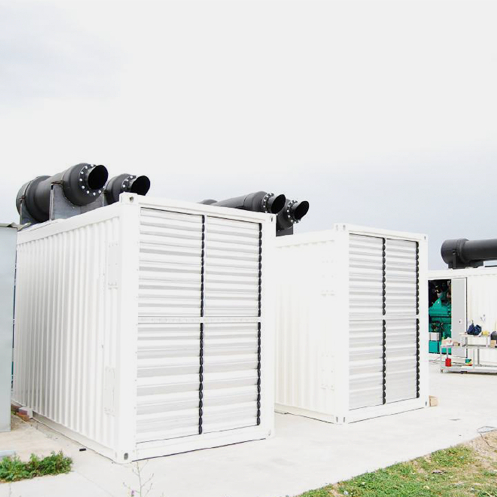
At HiAcoustic, we are aware of the singularity of each project, as there are no standard solutions capable of responding in the same way in different contexts. Therefore, before designing a bespoked acoustic enclosure, we ask our clients five key questions. The answers to these questions allow us to understand the actual conditions of the project and to design an efficient and durable solution.
In critical infrastructures in various industrial environments, acoustic control is not a secondary element but an essential condition for complying with regulations, protecting people and ensuring operational continuity in the facilities.
This document provides a technical guide for any client to understand what information they need to know and why it is essential to have a specialised preliminary analysis.
1. WHAT IS THE ACOUSTIC PROFILE OF THE EQUIPMENT?
Customers sometimes have technical specifications for their equipment, which include the sound spectrum of the equipment both in mechanical terms and at its most critical point, the exhaust emissions, where the values declared in the laboratory do not always match what is really audible in real life. At this point, factors such as the installation, the type of surface, the environment, possible interaction with other equipment, wave reflection, and even humidity and temperature must be considered, as all of these can influence the result.
To avoid misunderstandings, at HiAcoustic we analyse not only the technical data of the equipment, but also the real context in which it operates, using measurements, simulations and a large team of professionals with extensive experience in the sector, to ensure that the acoustic solution meets the desired objectives.
2. WHAT LEVEL OF ATTENUATION IS ACTUALLY REQUIRED?
The proposed solution is not just about ‘reducing noise’, but about achieving a specific objective at a specific distance:
- Complying with current regulations.
- Protecting people and ensuring a safe environment.
- Avoiding disturbance in urban areas, residential areas or nearby communities.
Furthermore, incorrect sizing can lead to risks and design failures:
- Oversizing, which will unnecessarily increase the cost of the solution.
- Undersizing, which will compromise regulatory compliance and system reliability.
Therefore, preliminary analysis and accurate attenuation calculations are essential.
3. HOW WILL VENTILATION AND HEAT BE MANAGED?
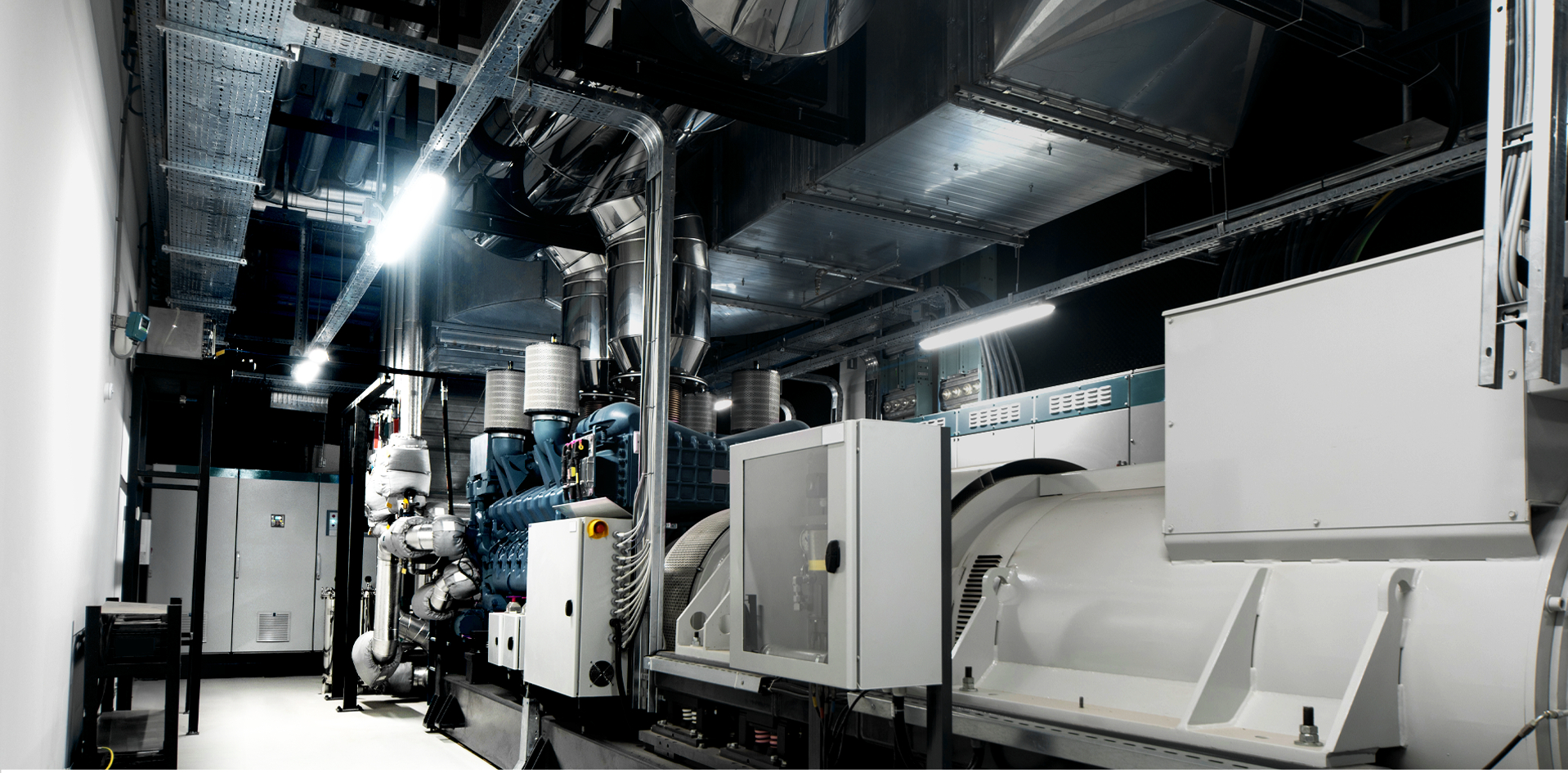
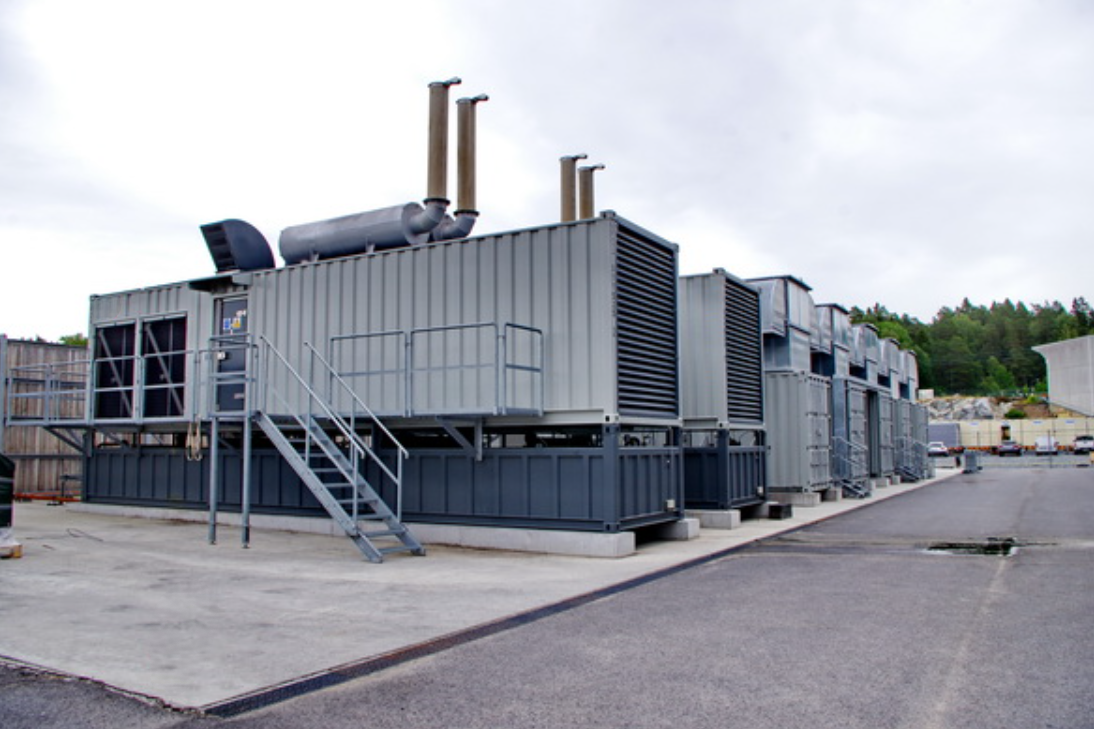
Acoustic enclosures cannot be designed as closed boxes, so ventilation and thermal management and the equipment’s own power supply play an important role in noise attenuation.
It is necessary to take into account that generators and equipment require adequate air flow for combustion, cooling, exhaust gas outflow and heat dissipation from the enclosure or encapsulation. Therefore, a design that does not take this into account will lead to premature failure or loss of efficiency.
4. WHAT EXTERNAL CONDITIONS WILL INFLUENCE THE DURABILITY OF THE ENCLOSURE?
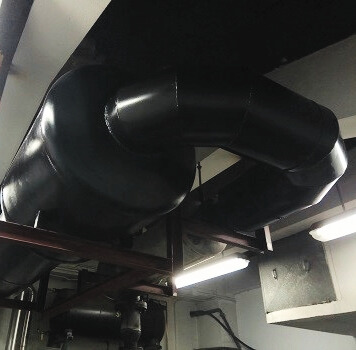
Acoustic solutions must be robust, resistant and must be up to the standard of the equipment they protect. Factors such as the location of the equipment, corrosion, humidity, salinity or exposure to extreme weather conditions or fire risk must be considered before planning the design.
To protect them, at HiAcoustic we select fire-resistant, corrosion-resistant materials with specific finishes suitable for each location: from coastal industrial plants to urban data centres, underground facilities and areas with adverse weather conditions.
5. WHAT LEVEL OF ACCESSIBILITY AND MAINTENANCE WILL BE REQUIRED?
Effective acoustic encapsulation must ensure quick and safe access for operating and maintenance personnel. Doors, access panels, integration of general equipment instrumentation and monitoring systems are elements that ease day-to-day operations in industrial environments without compromising efficiency.
CONCLUSION
Before designing an acoustic enclosure or encapsulation, it is advisable to analyse the starting points, which will make all the difference when it comes to achieving a truly effective solution. At HiAcoustic, we understand acoustic encapsulation as a product bespoked to the customer's needs, offering a solution based on real data, preliminary analysis, comprehensive design and more than twenty years of experience in the sector. All of this allows us to guarantee that each project achieves its purpose of reducing noise, integrating elements in a functional manner, providing effective ventilation systems, ensuring safety in maintenance work, complying with regulations and ensuring the reliability and integrity of the equipment throughout its useful life.